Type 1L Cement

One of several emerging low-carbon concrete mixes, Type 1L brings unique performance traits. This page covers what it is, how it performs, and what you need to know for your next project.

Home / Products / Low-Carbon / Type 1L

Type 1L: What It Is, Why It Matters, and How to Adapt

Type 1L cement, a key component of Type 1L concrete, substitutes raw limestone for a corresponding amount of Portland cement. While Type 1L is considered a low-carbon concrete, it represents just one approach among several to reducing the carbon footprint of cement-based materials. These compositional changes present both opportunities and challenges.

Understanding how Type 1L may affect setting times, workability, and surface characteristics is crucial for maintaining quality results, protecting your reputation, and ensuring optimal performance across various applications. This page provides a focused guide to Type 1L within the broader low-carbon concrete conversation, exploring potential benefits, practical considerations, and industry-specific best practices—along with Curecrete’s solutions to help successfully tackle these challenges.

Concerns

Getting ahead with Type 1L and low-carbon concrete means knowing what to expect. These images show you the common issues, so you can plan better and be the expert everyone wants on their project.

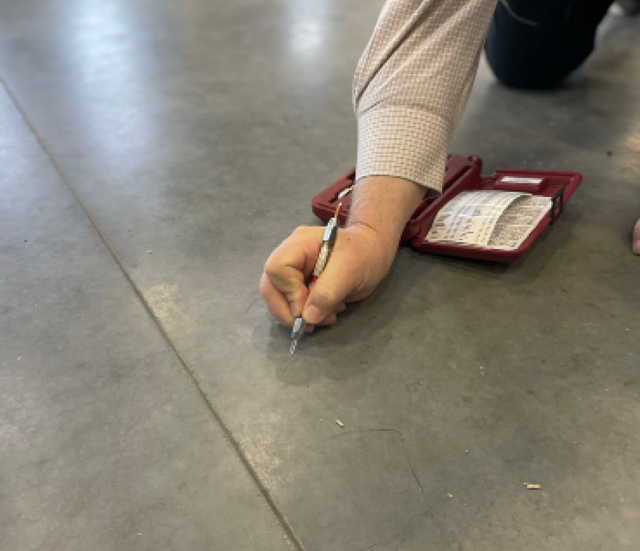
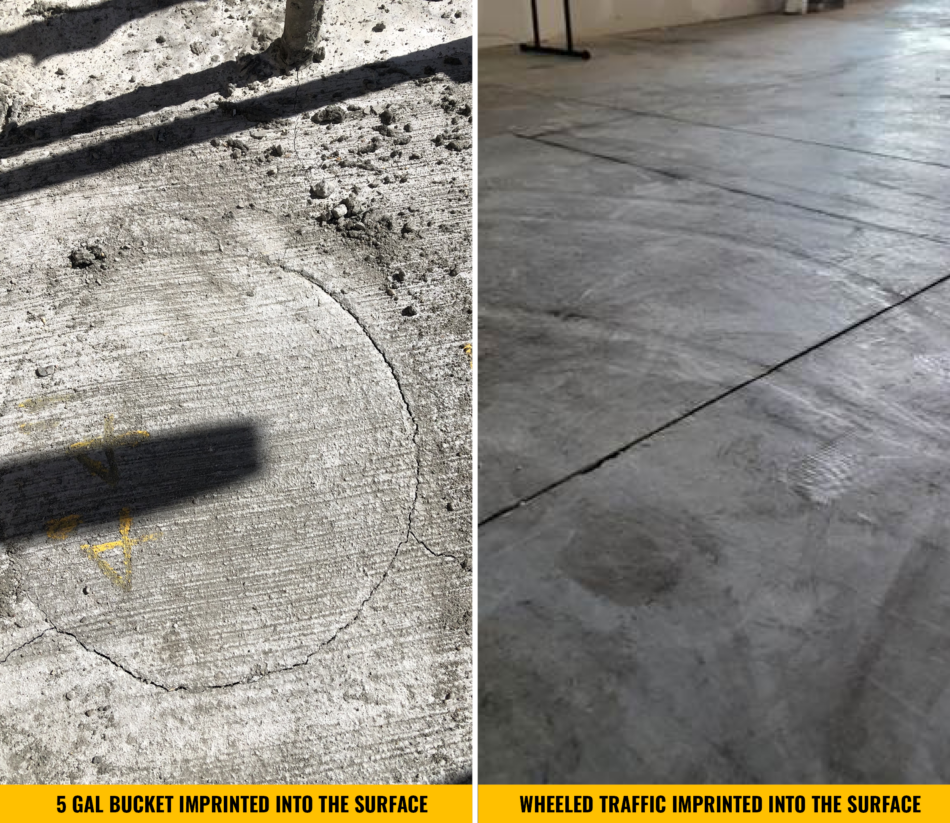
SLOW STRENGTH GAIN / SOFTNESS

  • Concrete hardness determined by Mohs pencil hardness test; grinding recommended only when hardness is 4+.
  • Ramifications: Extended timelines, increased costs, susceptibility to heavy equipment damage, surface imperfections.
  • Solution: PowerPrep LC pre-treats low-carbon concrete with slow strength gain, restoring critical components to improve hardness and ensure maximum densifier reaction.

HIGHER WATER DEMAND, SLOW BLEED WATER, DIFFICULTY FINISHING

  • Higher water demand and slow bleed water migration in Type 1L concrete lead to finishing issues and a porous surface.
  • Ramifications: Increased porosity, surface defects (blisters, crusting, scaling), reduced slab density, decreased surface strength.
  • Solution: PowerPrep Finishing Aid improves workability and finishing by eliminating stickiness and providing hydration control, reducing overall water demand. 

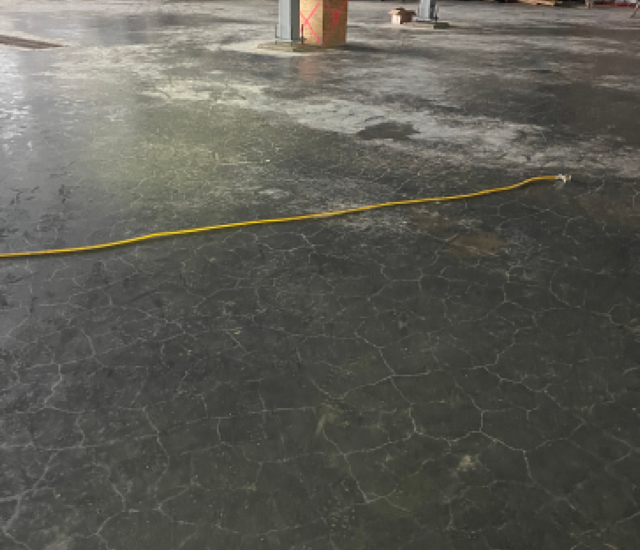
INCREASED AMOUNT OF CRACKING

  • Higher water demand for Type 1L concrete placement causes excessive plastic and dry shrinkage cracks.
  • Ramifications: Aesthetic issues, moisture infiltration, surface durability problems, potential structural integrity issues, increased mitigation/maintenance costs.

SURFACE PINHOLES

  • Prolonged bleed water migration traps air bubbles, forming pinholes exposed by polishing.
  • Ramifications: Aesthetic issues, inhibits polished sheen, increased costs for pinhole filling and surface smoothing.

TOP SURFACE CRUSTING

  • Early-stage curing issue where the surface dries faster than underlying layers, leading to a weaker, porous crust.
  • Ramifications: Reduced durability, increased moisture and contaminant permeability, aesthetic concerns.

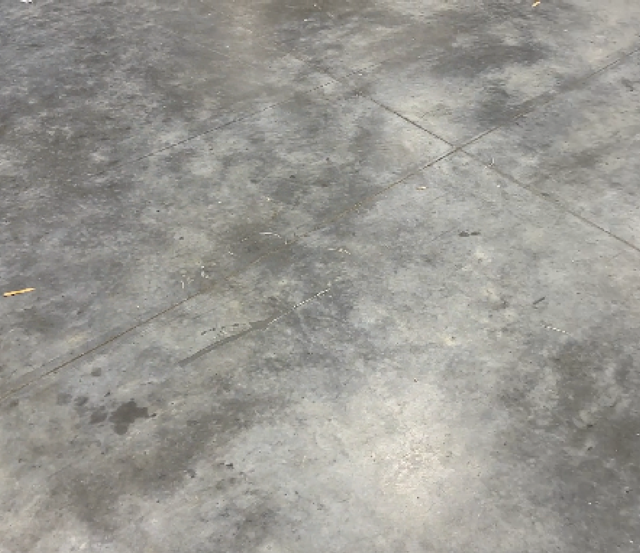
DISCOLORATION AND BLOTCHINESS

  • Caused by prolonged bleed water presence and reduced calcium content, leading to uneven hydration.
  • Ramifications: Aesthetic concerns, inconsistent appearance, perception of poor quality, difficult to remedy, potential indicator of long-term performance issues.

Considerations

Getting the best out of Type 1L concrete means focusing on the on the basics: good documentation, adjusting how you work, using test slabs, and watching your budget and timeline. Understanding these key considerations will empower you to make informed decisions and adapt your practices for a seamless transition to Type 1L.

TRANSPARENT MIX DESIGN DOCUMENTATION

    • Enhances collaboration and ensures accountability among project stakeholders.
    • Provides a framework for effective anticipation and planning of concrete-related tasks.
    • Fosters teamwork and alignment for optimal outcomes and exceeding expectations.

OPTIMIZED APLICATION STRATEGIES FOR TYPE 1L & LOW-CARBON CONCRETE

IMPORTANCE OF TEST SLABS & MOCKUPS

    • Critical for verifying full-scale application performance on Type 1L concrete projects.
    • Helps identify and address potential challenges upfront, ensuring expectations are met.

EXTENDED TIME FRAMES & ADDED COSTS

    • Anticipate possible extended time frames and additional costs due to adapted application practices.
    • Adjustments may impact project schedules and budgets, requiring careful planning and management.
    • Emphasizes the need for realistic expectations and effective project delivery strategies.

Watch & Learn

These videos walk through common field challenges, performance tips, and how tools like the Mohs Hardness Test can help verify slab readiness before you begin.

Type 1L Concrete

Explore low-carbon concrete’s challenges, innovations, and its role in the future of construction.

Mohs Hardness Test

Learn how to use a Mohs test kit to check concrete hardness before polishing and ensure durability.

Know What to Expect

Understanding how Type 1L impacts your role is key to getting it right. Explore targeted insights for applicators, architects, and general contractors.

Applicators

Applicators are on the front lines of Type 1L and low-carbon adoption. Proactive engagement is key for success. Implement these strategies to stay ahead of the curve:

    • Engage Early: From pre-bid to pre-construction meetings, ask questions and seek clarity to align expectations and address issues.
    • Understand Your Concrete: Know the slab’s composition. Review mix designs, conduct scratch tests, and ensure appropriate hardness before starting.
    • Prepare for Success: Be knowledgeable about products designed to address the challenges of Type 1L and low-carbon concrete. PowerPrep LC, a slab pre-treatment, helps restore critical components to weak low-carbon concrete, ensuring maximum reaction with densifiers like Ashford Formula and RetroPlate—eliminating the need for multiple applications as some manufacturers recommend.
    • Document Everything: Record any discoloration or uneven finishing before beginning your work. Use photos and formal documentation for approvals and communicate potential issues upfront.

Architects

Architects can help lay the foundation for Type 1L success by making informed decisions early in the design process. Focus on these strategies:

    • Mix Design: Prioritize clear documentation for mix design to enhance collaboration and informed decision-making across all stakeholders.
    • Foster Collaboration & Communication: Combine efforts in working closely with project teams and maintaining open dialogues to address challenges and craft effective solutions together.
    • Embrace Learning: Commit to continuous research and testing of Type 1L concrete to stay ahead of industry standards and innovations.
    • Set Clear Expectations: Ensure all parties are aligned by transparently communicating project specifics, including costs, testing, mock-ups, and any adjustments needed.

General Contractors

For general contractors, mastering projects with Type 1L concrete hinges on thorough preparation and strategic partnerships. Consider these essential strategies:

    • Thorough Planning & Collaboration: Start with detailed planning, understanding Type 1L concrete’s requirements and potential challenges, and collaborate closely with experienced suppliers for tailored advice.
    • Quality Control & Mix Design: Emphasizing strict quality control and documentation of mix designs. Effectively manage the temperature during the placement and curing process and ensure adequate floor surface protection measures are in place. Type 1L concrete tends to have a softer, more porous surface, making it more susceptible to scratches, staining, and other forms of damage. 
    • Education & Communication: Ensure all personnel are well-trained on Type 1L concrete’s properties and maintain open communication with all stakeholders to proactively address challenges and adapt schedules effectively.

Solutions for Type 1L & Low-Carbon Concrete Challenges

After a year of research and testing, Curecrete introduced three groundbreaking solutions at World of Concrete 2025—each designed to address the unique performance challenges of low-carbon concrete and deliver top-tier results.

FAQ's

Yes. Ashford Formula and RetroPlate are effective and work well on Type 1L and low-carbon concrete surfaces, especially when paired with PowerPrep LC, a slab pre-treatment.

While some manufacturers recommend multiple densifier applications for Type 1L concrete, PowerPrep LC ensures the densification reaction takes place effectively the first time. This allows Ashford Formula and RetroPlate to penetrate and react properly, guaranteeing a strong, durable floor with the proven results expected—without the need for excessive applications.

In simple terms, producing Type 1L cement results in a smaller carbon footprint compared to Ordinary Portland Cement (OPC). This is because it involves less cement calcination (heating limestone in a kiln triggering a chemical reaction converting it into clinker) and uses less fossil fuel, thereby reducing CO2 emissions.

Type 1L and low-carbon concrete are initially weaker and lack key characteristics essential for floor performance, including surface strength, finishing quality, durability, and workability

With Curecrete’s three specialized products for low-carbon concrete challenges—PowerPrep Finishing Aid,PowerPrep LC, and SnapBack—we are helping weak low-carbon concrete muscle up its performance. These solutions restore critical components, enhance finishing, and ensure proper densification, allowing low-carbon concrete to perform at its best while maintaining sustainability benefits.

Type 1L concrete may affect construction project schedules due to the need for additional time in research, testing, and adapting construction processes. This necessity stems from numerous unknown factors associated with Type 1L concrete, demanding further investigation to comprehensively grasp their impact on construction timelines.

Stay Informed on Type 1L & Low-Carbon Concrete

Sign up to receive updates on Type 1L concrete and other changes in the concrete industry!

Type 1L Cement: Challenges & Opportunities You Need to Know

Course Summary: This course delves into Type 1L concrete’s role in exposed concrete flooring, addressing its properties, challenges, best practices and impacts on professional trades and project stakeholders.

Course Code: CDIT1L
Course Credits: 1LU | HSW

Get In Touch

Need pricing or more details? We’re ready to support your project and answer any questions you may have. Let’s keep the conversation going!

Full Name(Required)
This field is for validation purposes and should be left unchanged.