
As the construction industry grapples with the imperative to reduce its environmental impact, low-carbon concrete is emerging as a crucial innovation.
Designed to reduce carbon emissions associated with concrete production, low-carbon concrete is gaining momentum as a more sustainable alternative to traditional OPC (Ordinary Portland Cement) concrete. However, while it holds significant promise, the shift toward low-carbon concrete also introduces several challenges, particularly for flooring contractors.
In response to these challenges, Curecrete—the parent company of Ashford Formula and RetroPlate, leaders in high-performance concrete flooring solutions—has dedicated the past year to researching and developing innovative products designed to address the unique demands of low-carbon concrete applications.
The Challenges for Flooring Contractors
For flooring contractors, the transition to low-carbon concrete can present a variety of challenges that impact both the slab’s finishing process and the overall performance and durability:
- Difficult Slab Finishing: Low-carbon concrete formulations may result in surfaces that are harder to work with, often requiring specialized techniques, additional equipment and products.
- Strength and Durability Concerns: Low-carbon mixes experience slower strength gain, which can pose challenges when working with tight project timelines. Delayed slab strength development means floor applications, such as concrete polishing, cannot proceed until the surface reaches a hardness of 4+ on the Mohs scale. Additionally, the soft floor remains vulnerable to damage from machinery and equipment used by other construction trades during ongoing building work.
NOTE: Watch this video demonstration to learn how to properly perform a Mohs hardness scratch test. This quick guide ensures accurate surface hardness assessments for better project results.
- Material Compatibility: Many contractors face challenges ensuring new low-carbon mixes are compatible with existing products like densifiers, sealers, and coatings. However, the real concern is that incompatibility can lead to results that fall short of the expected performance of OPC concrete. Contractors want the high-quality results they’ve come to expect from OPC, but with low-carbon mixes, there’s doubt and uncertainty due to potential incompatibility with existing products. What used to work effectively may not deliver the same results with these newer mixes.
- Training and Education: As low-carbon concrete continues to evolve, contractors need reliable education, research, and testing to stay informed about the best practices and solutions available to them. With so much uncertainty surrounding these newer mixes, it’s essential for contractors to have trusted sources they can depend on for accurate information, products, and equipment. Without these reliable resources, the risk of poor outcomes increases.
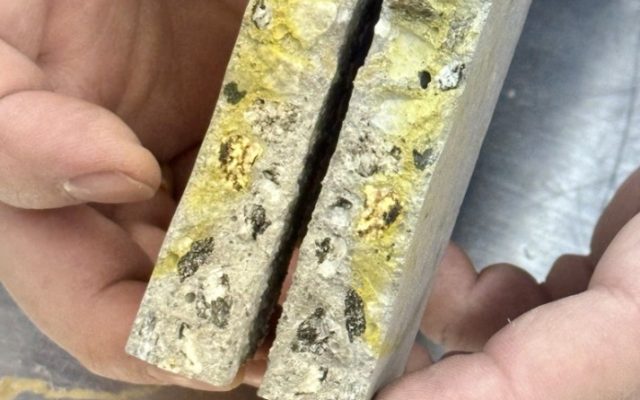
Curecrete is committed to supporting contractors through comprehensive testing and demonstrations designed to uncover challenges and identify effective solutions for low-carbon concrete. Our educational resources include video demonstrations such as penetration testing, abrasion testing, and the Velcro demo, which illustrates CSH formation in concrete. Additionally, our Snapback core sample testing highlights the dramatic improvements achievable through remediation. These tools empower contractors with the knowledge and confidence needed to deliver durable, high-performing results while navigating the complexities of low-carbon concrete.
Curecrete's Response: Innovative Products Designed to Overcome Low-Carbon Concrete Challenges
To tackle the challenges of stickier concrete and difficult workability, Curecrete has developed PowerPrep Finishing Aid™, an advanced finishing aid that promotes hydration control and enhances workability for both low-carbon and OPC concrete – even in high wind and heat conditions. This product ensures a smooth, tight finish, making polishing easier and more efficient. It provides an ideal foundation for concrete slabs in facilities that will have an exposed or polished concrete floor as their finished surface.

To accelerate slab strength gain and maximize densification, Curecrete has developed a first-of-its-kind formulation that restores critical properties in low-carbon concrete. PowerPrep LC™ restores the concrete matrix, allowing the slab to reach its intended hardness more quickly. When used with chemical densifiers like Ashford Formula™ or RetroPlate®, it further enhances the concrete’s strength, durability and longevity. PowerPrep LC ensures low-carbon and Type 1L concrete reaches its intended hardness efficiently, meeting benchmarks such as achieving a Mohs hardness of 4+ for polishing and becoming less vulnerable to damage from heavy equipment during construction.
In many cases, low-carbon concrete tends to carbonate faster than OPC concrete, making it more vulnerable to damage from prolonged exposure to CO2 and moisture. SnapBack™ is a game-changing 2-step solution that transforms soft, unusable carbonated surfaces into hardened, functional slabs. Traditional methods—grinding down the slab or completely replacing it—are costly, time-consuming, and disruptive. SnapBack eliminates the need for total slab replacement, potentially saving millions of dollars, minimizing downtime, and keeping projects on schedule, all while delivering a faster, more efficient solution.
Commitment to Research, Testing & Innovative Solutions
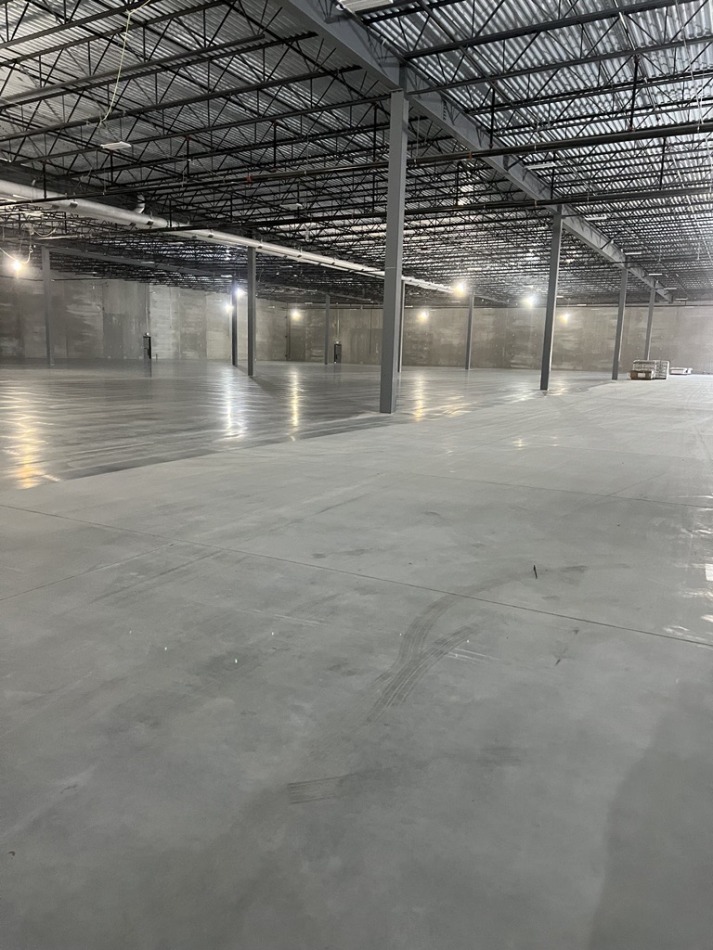
At Curecrete, we are committed to advancing the concrete industry through continuous research, testing, and innovative solutions. As low-carbon concrete becomes more prevalent, we understand the importance of providing reliable solutions that meet or exceed the performance standards professionals expect.
Looking Forward: A Sustainable Future for Concrete
More than 75 years ago, Curecrete revolutionized the concrete industry with the introduction of the Ashford Formula, the first of its kind densifier. Fifty years later, we changed the game again with the RetroPlate polishing system, setting new standards for concrete flooring. Today, Curecrete leads the way again, developing innovative solutions in this new era of low-carbon concrete.
As demand for sustainable construction practices grows, the role of low-carbon concrete in the future of the industry is undeniable. While it presents challenges, particularly for flooring contractors, Curecrete is committed to providing solutions that improve workability, enhance performance and deliver dependable, high-quality results. Our dedication to continuous research, testing, and knowledge sharing ensures that we stay ahead of the curve, helping contractors navigate the complexities of low-carbon concrete with confidence.
While low-carbon concrete is still in the early stages of widespread adoption, new types are being developed and tested every day. As these innovations continue, it will require constant research, learning, and adaptability to keep up with the evolving landscape. Curecrete remains committed to leading the way, helping contractors navigate this shift toward a more sustainable future.