

Ashford Formula™ is the original concrete densifier, trusted since 1949 to permanently densify, harden, cure, and dustproof concrete. This transparent, water-based treatment penetrates the surface and chemically reacts within the slab, filling natural pores and voids to strengthen concrete from within. Unlike coatings or surface films, Ashford Formula becomes an integral part of the concrete, helping reduce dusting, improve abrasion resistance, support long-term durability, and lower ongoing maintenance needs.
Ashford Formula
Concrete Densifier
Sizes:
1 gal, 5 gal, 55 gal
Coverage Rates:
200 ft2/gal (5 m2/L)
Dilution Ratio:
Ready to Use
Quick Links & Tools
Jump To Section
✔
Densifies Concrete
Penetrates the concrete surface and chemically fills natural pores and voids, creating a denser surface from within.
✔
Hardens the Surface
Chemically hardens the concrete surface to improve abrasion resistance and long-term floor durability.
✔
Dustproofs Floors
Combines with the concrete to help eliminate surface dusting, reducing maintenance and protecting equipment and inventory.
✔
One-Time Application
Provides permanent densification with a single application, eliminating the need for repeated coating reapplications.
✔
No Surface Film
Becomes part of the concrete instead of forming a coating, so there is no film to peel, blister, or wear away.
✔
Develops Natural Sheen
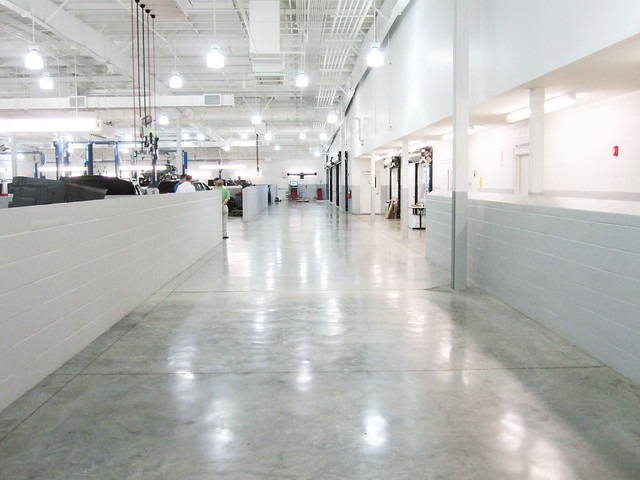
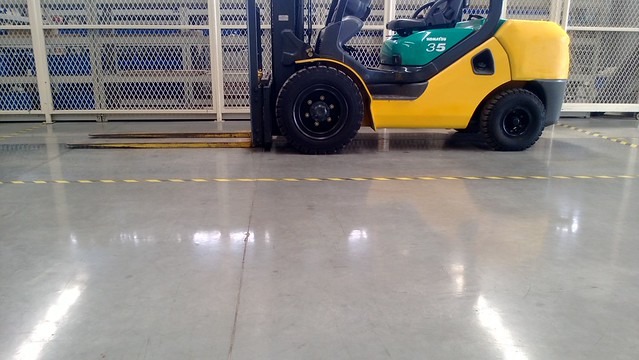
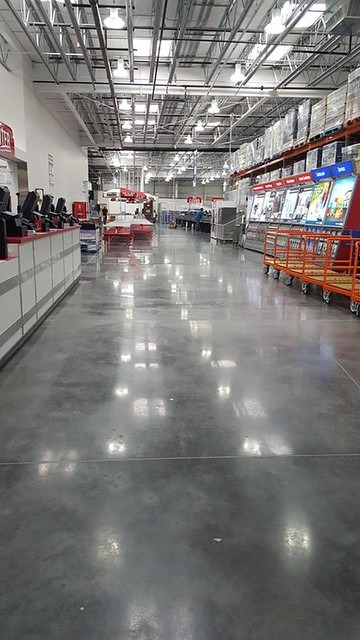
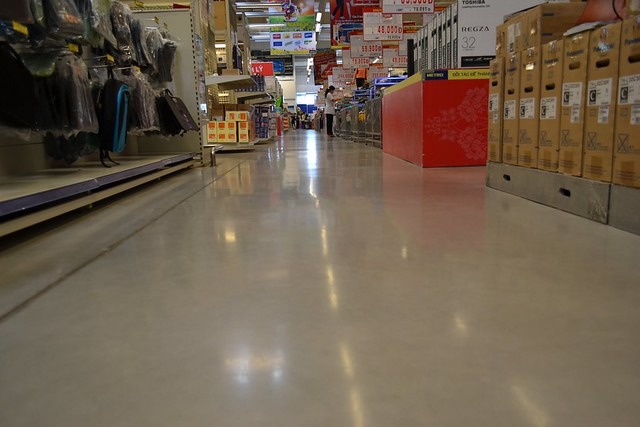
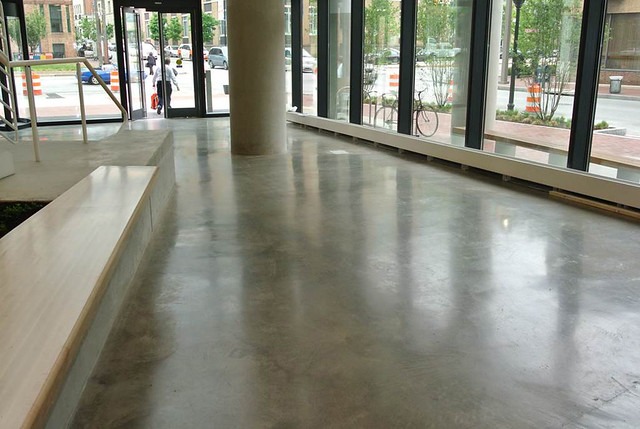
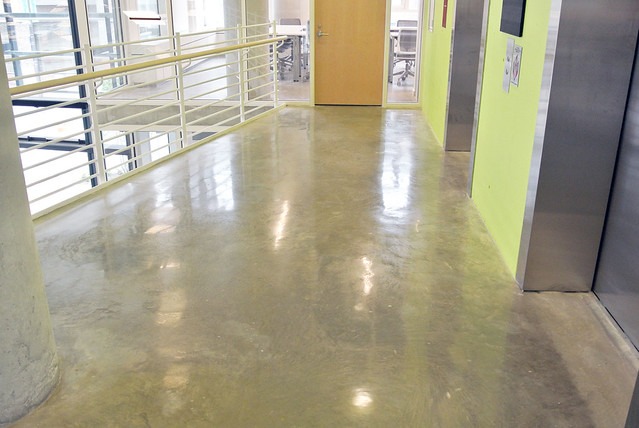
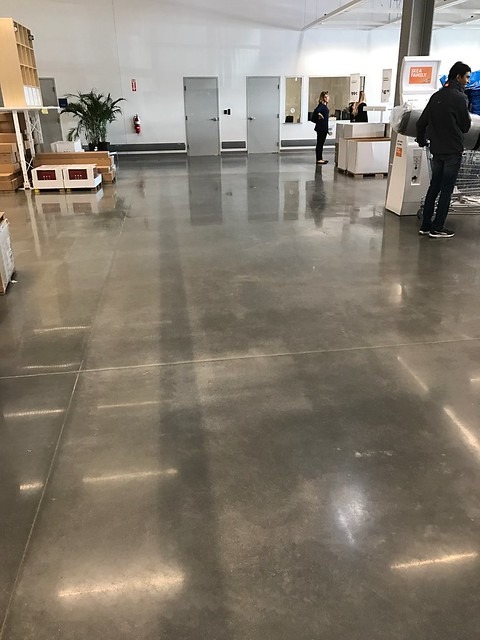
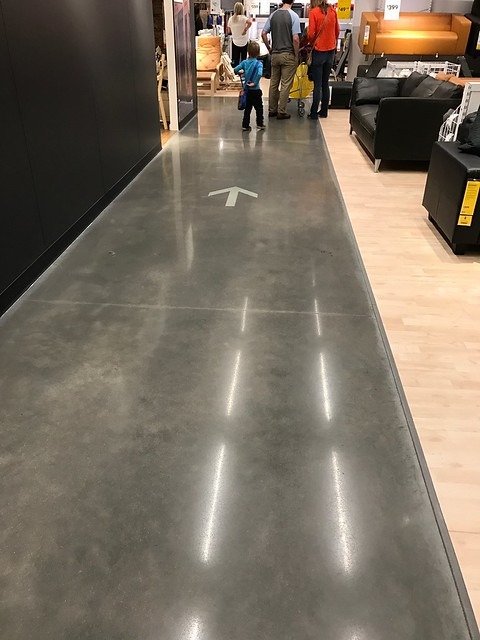
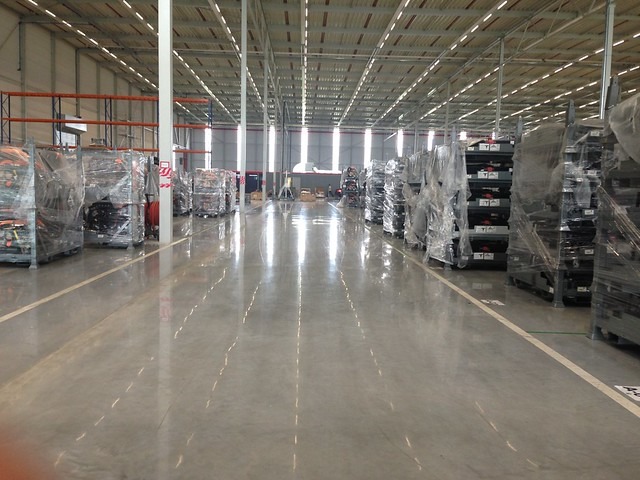
On smooth troweled concrete, treated floors can develop a permanent, attractive sheen over time with traffic and proper maintenance.
Read all instructions and SDS information before use.
Use appropriate safety equipment. Ashford Formula™ must penetrate clean, bare concrete, and excess material must be flushed and removed so no residue remains on the surface.
Preparation
- Freshly finished concrete requires no surface preparation when Ashford Formula™ is applied immediately after finishing and once the slab is safe to walk on.
- Existing concrete must be clean, bare, and free of materials that may inhibit penetration.
- Remove curing compounds, sealers, coatings, paints, construction laitance, surface dust, dirt, oil, grease, and other surface contaminants before application.
- On areas where forms were recently removed, remove all form oil and breaking compound residue so it does not inhibit Ashford Formula™ penetration.
- Protect glass, aluminum, painted finishes, walls, and all surfaces not meant for treatment from product, residue, splash, and overspray.
- Surface & Air Temperature: Apply between 35–115°F (1.7–46°C). Protect from freezing for six days after application.
- Equipment: Low-pressure, high-volume sprayer, soft or fine-bristled brooms, water for flushing, squeegee, wet vacuum, or automatic scrubber.
- Coverage: Approximately 200 ft²/gal (5 m²/L). Coverage may vary depending on concrete temperature, porosity, and surface condition.
Standard Application Procedure
- Apply Ashford Formula™ with a low-pressure, high-volume sprayer at approximately 200 ft²/gal (5 m²/L), or pour directly on the surface and spread evenly with a soft-bristled broom.
- Saturate the surface until a flood coat is achieved. There should be enough material on the floor to fill in a footprint within several seconds.
- Work Ashford Formula™ into the surface with soft or fine-bristled brooms to break surface tension and aid penetration.
- Keep the entire surface wet with Ashford Formula™ for a minimum of 30 minutes. Do not allow dry spots to form.
- When the material becomes slippery or gel-like, lightly mist the surface with water and agitate again to help the product continue penetrating.
- Flush the surface thoroughly with clean water, agitating with brooms as needed to loosen and remove excess material.
- Squeegee, vacuum, or auto-scrub the slab dry until the floor looks like bare concrete with no residue left on the surface.
Maintenance
- Use CreteClean Plus with Scar Guard™ in scrubbers or mop buckets for best long-term performance on Ashford Formula™ treated floors.
- Do not use acidic detergents or cleaners containing hydroxides or sulfates.
- Scrub floors regularly with adequate water, cleaner, brush pressure, and appropriate floor-care equipment.
- Keep the floor clean by removing dirt and debris regularly. Clean up spills promptly, especially corrosive or aggressively staining contaminants.
- On smooth troweled concrete, a natural sheen may develop over time with traffic and proper maintenance.
What is Ashford Formula?
Ashford Formula is a transparent, chemically reactive liquid hardener, densifier, and sealer for concrete surfaces. It penetrates into the concrete, reacts with free lime, and forms a hard, dustproof, and densified surface.
How does Ashford Formula work?
It penetrates the concrete slab and reacts chemically with calcium hydroxide to form a dense, insoluble calcium silicate hydrate. This process fills the pores and capillaries, permanently densifying and sealing the concrete.
What benefits does Ashford Formula provide?
It increases surface hardness and abrasion resistance, reduces dusting, improves durability, and makes cleaning easier. It also helps protect concrete from oil, water, and many contaminants.
Can Ashford Formula be applied to old concrete?
Yes. Ashford Formula can be applied to both new and existing concrete. For older slabs, thorough cleaning and surface preparation are essential to remove contaminants and ensure proper penetration.
Does Ashford Formula change the appearance of the concrete?
No. Ashford Formula is a clear treatment and does not significantly change the appearance of the concrete. Over time, treated concrete develops a natural sheen with regular cleaning and use.
How long does Ashford Formula last?
The treatment is permanent. Unlike topical sealers that wear away, Ashford Formula reacts within the concrete slab itself. With proper maintenance, the densified surface lasts the life of the concrete.
How soon can the floor be used after application?
Light foot traffic is typically permitted as soon as the surface is dry. Full curing and maximum hardness develop over 7 days, and the concrete continues to gain density and sheen over time.
Is Ashford Formula safe for use indoors?
Yes. Ashford Formula is non-toxic, odorless, and contains no VOCs. It is safe for use in occupied spaces with adequate ventilation during application.
Coverage Calculator
Calculate Your Product Needs
Coverage Rates: 1,500–2,000 ft2/gal (37–50 m2/L)
RetroGuard
Coverage estimate based on the selected area and RetroGuard coverage rate.
Estimated
0 gal
Based on 1,500–2,000 ft²/gal
Green by Design
LEED Contribution Overview
The Ashford Formula has been widely used in LEED-certified projects. While USGBC does not endorse specific products, the Ashford Formula contributes to multiple credits by reducing environmental impact, improving air quality, and extending the life of existing materials.
MR Credit 1.1, 1.2, 1.3: Building Reuse
Intent: Extend the life cycle of existing building stock, conserve resources, retain cultural resources, reduce waste, and reduce environmental impacts of new buildings as they relate to materials manufacturing and transport.
How Ashford Formula Contributes: By densifying and sealing existing concrete floors, the Ashford Formula extends their usable life. Floors treated with Ashford Formula do not require replacement during remodeling or resale, supporting building reuse.
MR Credit 3.1, 3.2: Materials Reuse
Intent: Reuse building materials and products to reduce demand for virgin resources and reduce waste from extraction and processing.
How Ashford Formula Contributes: Existing concrete floors treated with Ashford Formula are reused rather than replaced. This contributes to project value thresholds for reused materials.
MR Credit 5.1, 5.2: Regional Materials
Intent: Increase demand for materials manufactured within the region to support local economies and reduce transportation impacts.
How Ashford Formula Contributes: The Ashford Formula is manufactured in Springville, Utah. Projects within 500 miles can count it as regional material.
IEQ Credit 3.1: Construction IAQ Management (During Construction)
Intent: Reduce indoor air quality problems resulting from construction to support the health of workers and occupants.
How Ashford Formula Contributes: Because treated concrete floors are non-absorptive, they resist contamination during construction, unlike carpets and other soft materials.
IEQ Credit 3.2: IAQ Management (Before Occupancy)
Intent: Reduce indoor air contaminants before occupancy to ensure a healthy environment.
How Ashford Formula Contributes: The product is fully inorganic and does not emit formaldehyde, particulates, VOCs, or off-gassing. It supports clean indoor air at turnover.
IEQ Credit 4.1: Low-Emitting Materials – Adhesives & Sealants
Intent: Reduce indoor air contaminants that are odorous, irritating, or harmful to installers and occupants.
How Ashford Formula Contributes: Because Ashford Formula does not require adhesives or floor coverings, it eliminates associated emissions from sealants used in other flooring systems.
IEQ Credit 4.2: Low-Emitting Materials – Paints & Coatings
Intent: Reduce the quantity of indoor air contaminants from paints and coatings.
How Ashford Formula Contributes: Classified as a concrete and masonry sealer, Ashford Formula contains no VOCs and complies with SCAQMD Rule 1113.
IEQ Credit 7.1 & 7.2: Thermal Comfort
Intent: Provide a comfortable thermal environment that supports occupant well-being and productivity.
How Ashford Formula Contributes: Treated concrete retains thermal mass properties, improving efficiency of radiant and solar heating/cooling systems and enhancing thermal comfort.
Innovation in Design Credit
Intent: Award points for exceptional performance or innovative strategies not addressed by other credits.
How Ashford Formula Contributes: The product avoids floor coverings, reduces life cycle cost, supports allergy relief, and performs under varying environmental conditions, qualifying it for innovation credits.
Explore Standout Projects & Results
Our Project Highlights Books showcase stunning concrete floors from around the world, created using
Ashford Formula, RetroPlate, and other solutions in our product line.
Each volume celebrates the craftsmanship of our applicators and the exceptional results they deliver for clients
across a wide range of industries and environments.
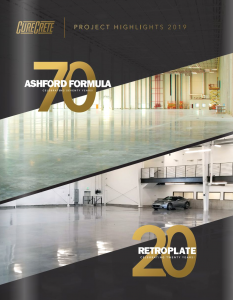
Volume 1
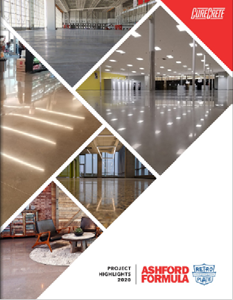
Volume 2

Volume 3


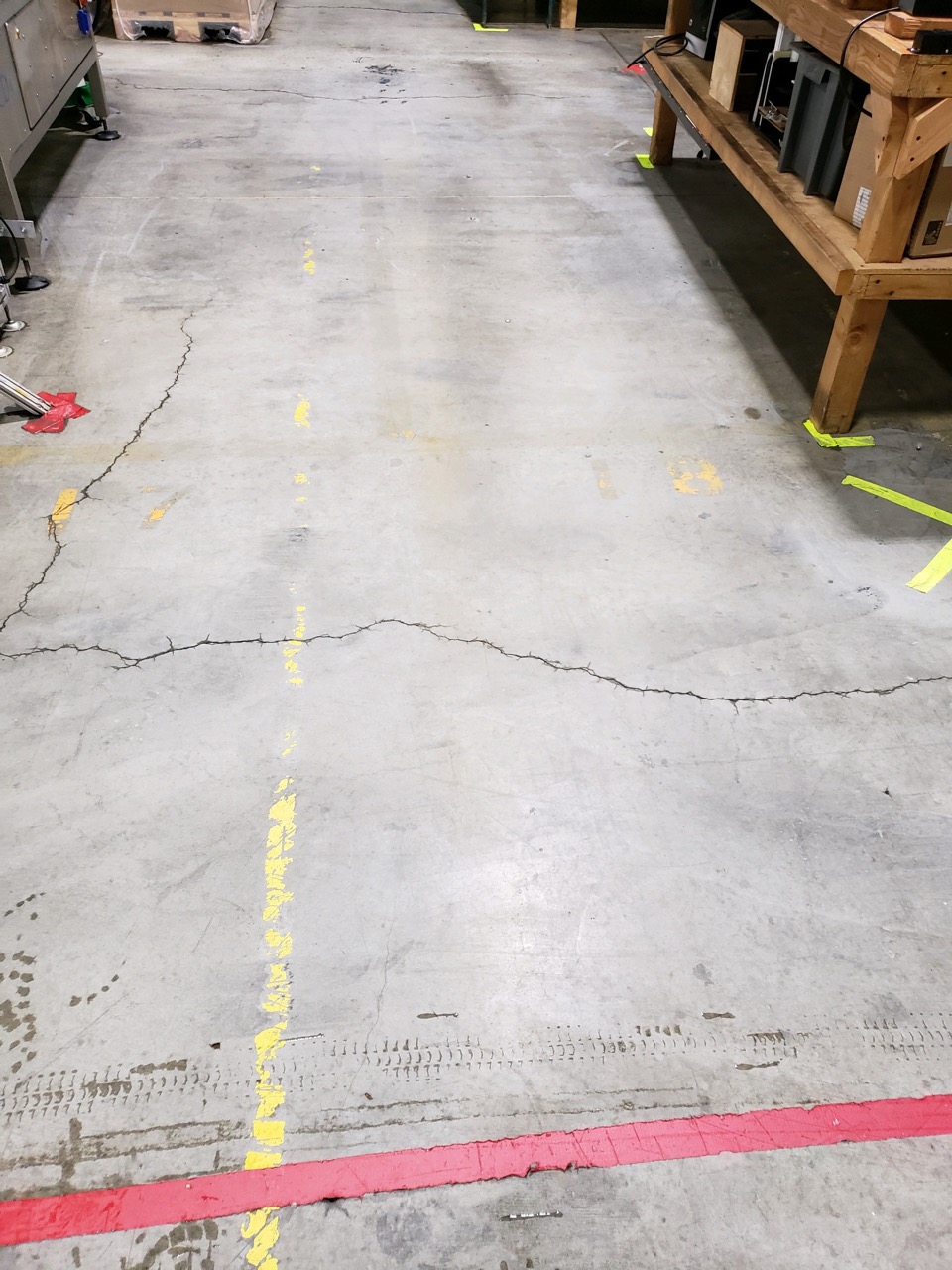
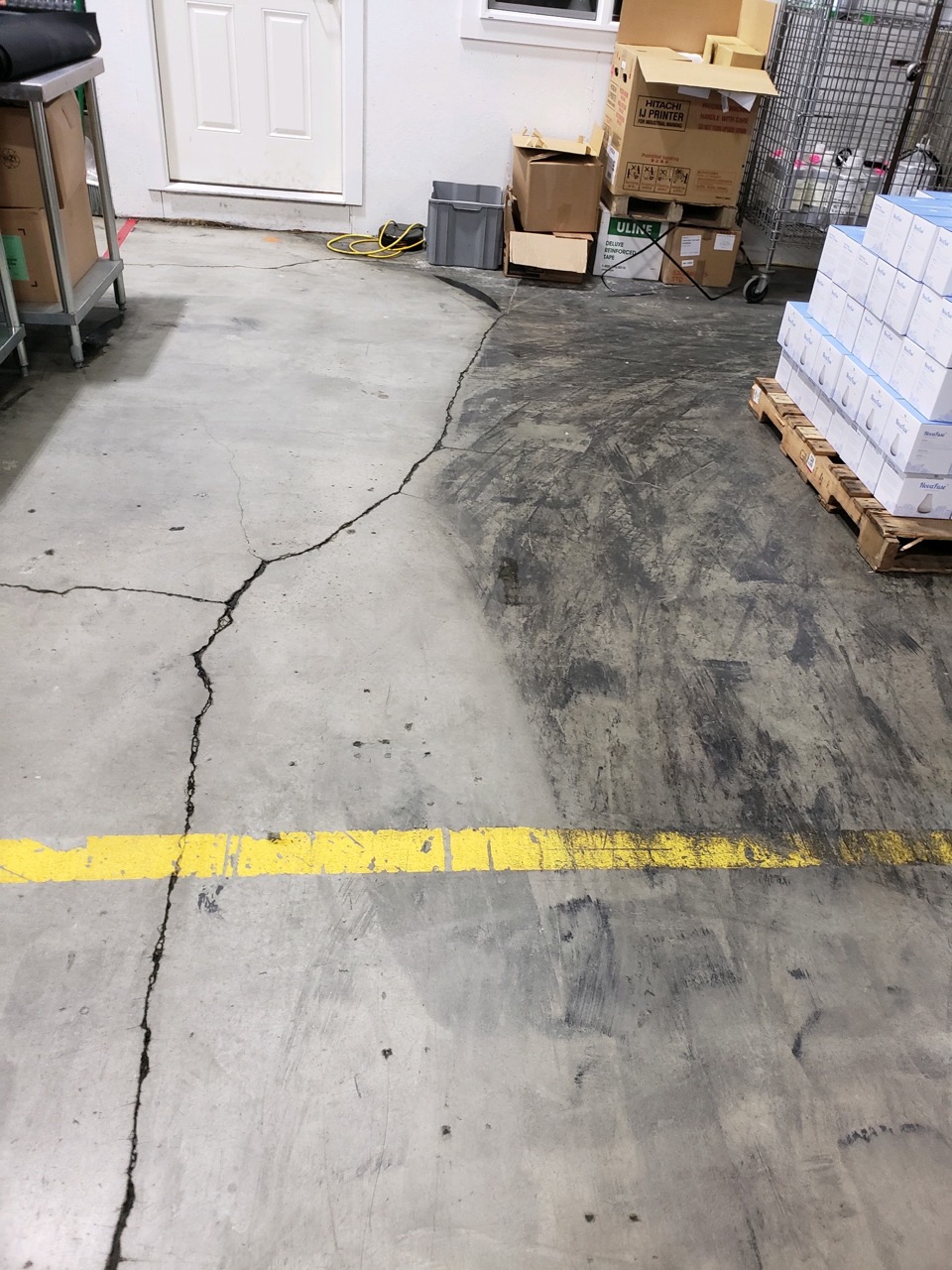














Try These Picks



Get In Touch
Need pricing or more details? We’re ready to support your project and answer any questions you may have. Let’s keep the conversation going!